The Story of Pantheon
The Aspect of War perished, yet something else rose to fill the space it left.
Atreus was never supposed to outlive hosting the Aspect of War, much less keep fighting once the celestial force inside him was shattered. A strike strong enough to wrench stars from the heavens should have killed him along with it. He held on instead, and eventually accepted his own mortality: not as a god who cannot fall, but as a man too obstinate to stay down.
Rising Again as Pantheon
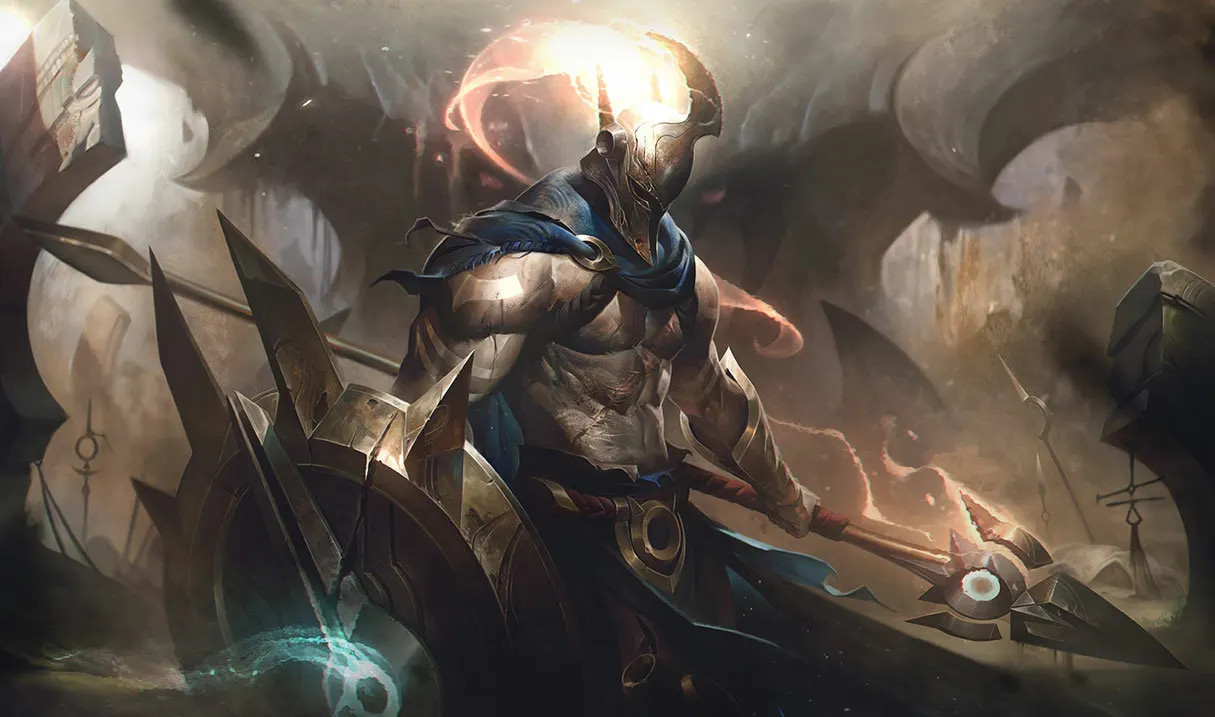
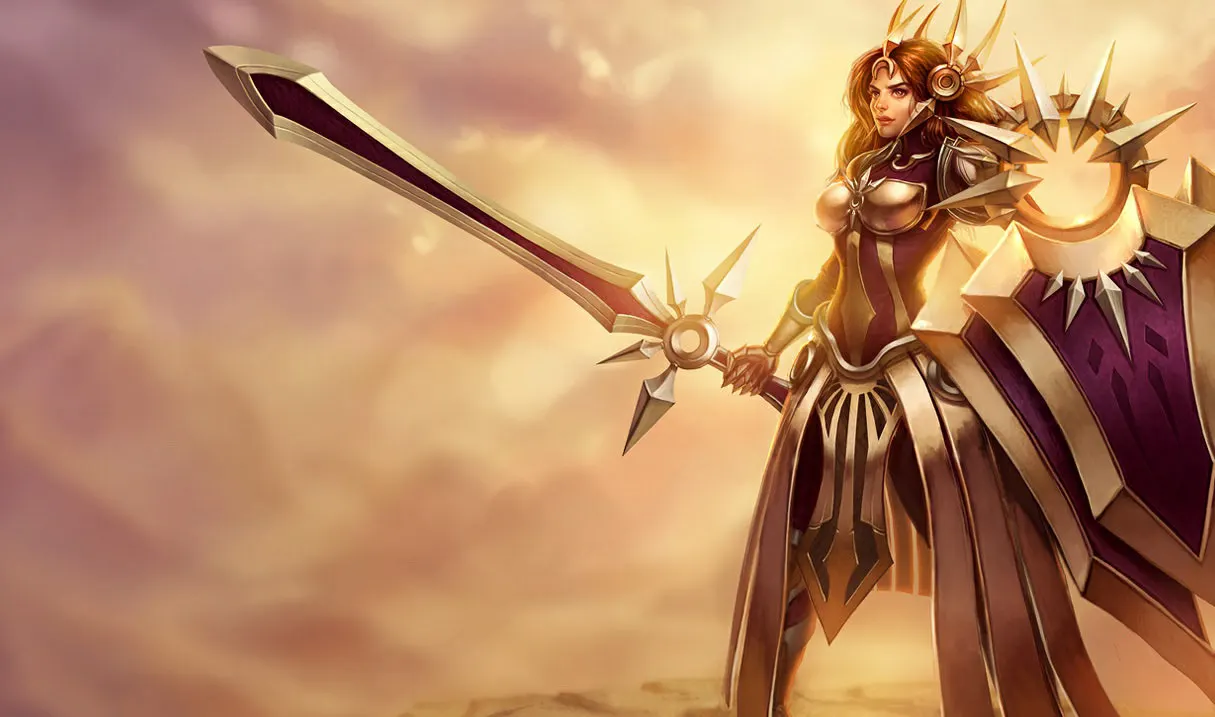
The being that grew out of that endurance goes by Pantheon, though the name no longer carries any of the godly authority it once did. Atreus now battles the divine instead of serving it, turning the leftover weapons of the fallen Aspect against the very forces of Targon — a peak so tall it nearly touches the stars, home to Aspects and secrets no mortal fully grasps — that forged him. Other wielders of celestial power, among them Aurelion Sol, Diana, and Leona, each serve something larger than themselves. Pantheon serves only his own resolve.
A Spear That Refuses to Break
That resolve shapes a moveset suited to either lane he might take, top or mid, fueled by mana rather than any lingering divine reserve. Comet Spear can be jabbed at close quarters or hurled from afar, so he decides how a fight begins. Shield Vault propels him toward a target, dealing damage and stunning on landing. Aegis Assault pushes his shield forward, granting brief invulnerability to frontal damage while he repeatedly jabs back with his spear, a stance that punishes foes who won’t circle to his flank. Grand Starfall, his ultimate, has him gather himself, leap skyward, and plummet as a comet onto a chosen spot. Mortal Will, his passive, empowers his next spell every few casts, a quiet echo of the celestial power he no longer fully commands but has learned to imitate through sheer persistence.
GalleryPantheon Art